
Quick and Easy Soups with 30g of Protein or More
Posted by Edwina Clark, MS, RD on Oct 2nd 2026
Few things are more comforting than cozying up under a blanket with a hearty bowl of soup on a cool day. Warm, nourishing, and often ready in less than 30 minutes, soup is the original one-pot-wonder meal. Moreover, soups are an excellent vehicle for fiber-rich veggies—something most of us need more of, since 9 out of 10 Americans fall short of fiber recommendations.
As a registered dietitian, my only gripe about some of the most popular soup varieties is that they skimp on protein (I’m looking at you, butternut squash). And as we know now, adequate protein is important for managing appetite, regulating blood sugar, maintaining and building muscle, and minimizing bone loss, especially as we age [1–7].
The good news? There are plenty of ways to boost the protein content of your favorite soup recipes, plus many naturally protein-rich options, because soup season shouldn’t mean choosing between a cozy bowl and hitting your protein goals.
Why is protein important?
Protein is showing up everywhere these days, from soups to sparkling beverages. And there’s good reason for it. Protein is no longer just a concern for bodybuilders and gym junkies but an essential nutrient for health throughout your entire lifespan.
Specifically, adequate, high-quality protein (1–2g/kg/day for most people) is important for:
- Helping regulate hunger and appetite throughout the day: Protein helps improve satiety and keep us fuller for longer by reducing hunger-signaling hormones and enhancing GLP-1 secretion [1].
- Maintaining and building muscle mass: Muscle loss as we age is a significant contributor to frailty, falls, and fractures among older adults, and eating enough protein (especially combined with resistance training) can help offset age-related losses and maintain independence [2,3]. Moreover, adequate protein in combination with resistance training at any age supports strength gains and muscle building, so you get the most out of every training session [4].
- Regulating blood glucose: Eating protein with carbohydrate-rich foods helps blunt the blood glucose response and keep energy levels steady [5]. Essentially, eating enough protein throughout the day means that your blood glucose levels look less like a roller coaster and more like gentle rolling hills.
- Protecting bone health: A growing body of research indicates that, as we age, adequate protein can help preserve bone mass, especially when combined with resistance training [6,7]. Maintaining bone and muscle is important for staying independent and mobile for as long as possible.
How can I add protein to soups?
Soups pair well with a variety of protein sources, including chicken, ground turkey, beef, shrimp, bone broth, tofu, lentils, beans, edamame, and more. A few simple tweaks to classic soup recipes can substantially increase the protein content without a lot of extra time or effort (or shopping)!
Below are easy add-ins to boost the protein in your favorite soups:
Meat and seafood
- Chicken breast, shredded or diced: about 21g protein per ½ cup.
- Turkey breast, diced: about 21g protein per ½ cup.
- Beef stew meat/chuck, cubed: about 20g protein per ½ cup.
- Ground beef (90% lean) or turkey, crumbled: about 16g protein per ½ cup.
- Shrimp: about 18g protein per ½ cup.
Vegetarian protein options
- Cottage cheese (2%): about 12g protein per ½ cup.
- Milk: about 4g protein per ½ cup.
- Tempeh, crumbled: about 15g protein per ½ cup.
- Firm or extra-firm tofu, cubed: about 10–20g protein per ½ cup.
- Edamame, shelled: about 11g protein per ½ cup.
- Lentils, cooked: about 9g protein per ½ cup.
- Large white or cannellini beans, cooked: about 9g protein per ½ cup.
- Split peas, cooked: about 8g protein per ½ cup.
- Black, pinto, or kidney beans: about 8g protein per ½ cup.
- Navy, great northern, or lima beans: about 7g protein per ½ cup.
- Chickpeas: about 7g protein per ½ cup.
Toppings
- Hemp hearts: about 7–10g protein per 2–3 Tbsp.
- Pepitas (hulled pumpkin seeds): about 9g protein per ¼ cup.
- Plain nonfat Greek yogurt: about 12g protein per ½ cup.
- Shredded cheddar or Monterey Jack: about 3.5g protein per 2 Tbsp.
- Grated Parmesan: about 3.5g protein per 2 Tbsp.
Liquid
- Bone broth: about 4–5g protein per ½ cup.
Soups with 30g of protein or more
Need some high-protein soup ideas? How about lentil and butternut squash soup? Or enchilada soup? These easy, delicious soup recipes provide at least 30g of protein per two-cup serving and use Anderson House soup mixes for unbeatable flavor, so you don’t have to think twice about your next cozy meal.
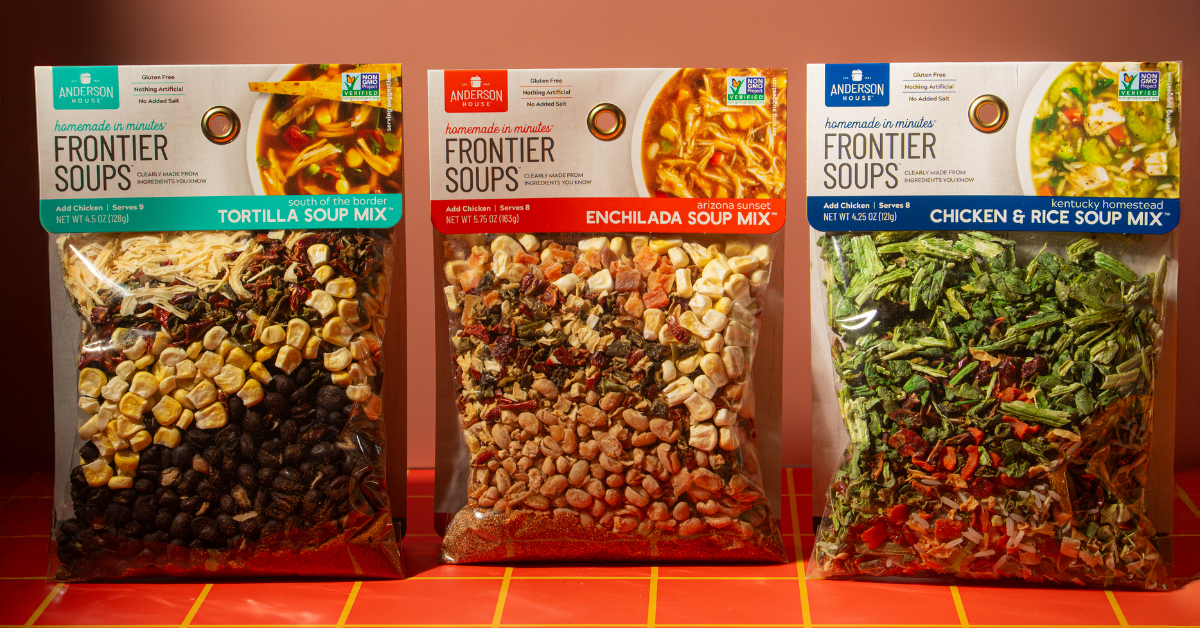
South of the Border Tortilla Soup
Smoky ancho chile, black beans, and sweet corn simmer with tender chicken and your favorite salsa in a 30-minute bowl that's even better under a crown of crunchy tortilla strips.
Protein notes: To make it protein-loaded, follow the directions on the South of the Border Tortilla Soup packet, but use chicken bone broth instead of chicken broth for 32g of protein per two-cup serving. Alternatively, you can add 2.5 cups of drained black beans to the finished soup for 30g of protein per two-cup serving.
Shop South of the Border Tortilla Soup → | Recipe + serving ideas →
Arizona Sunset Enchilada Soup
Arizona Sunset Enchilada Soup provides all the cheesy, green-chile comfort of a pan of enchiladas without any rolling. Offering a combination of navy beans, sweet potato, shredded chicken, and melted Monterey Jack cheese, this enchilada soup is comforting and hearty.
Protein notes: Prepare Arizona Sunset Enchilada Soup according to the instructions on the packet. Each two-cup serving provides 32g of protein – no modifications required!
Shop Arizona Sunset Enchilada Soup → | Recipe + serving ideas →
Kentucky Homestead Chicken & Rice Soup
A squeeze of lemon brightens this pot of tender chicken, rice, carrots, and spinach, the easy weeknight soup that tastes like it simmered all afternoon.
Protein notes: Follow the directions on the Kentucky Homestead Chicken & Rice Soup packet, but add 3 cups of cooked chicken instead of 2 for 32g of protein per two-cup serving. Alternatively, you can add 2 cups of drained cannellini beans to the finished soup for 30g of protein per two-cup serving.
Shop Kentucky Homestead Chicken & Rice Soup → | Recipe + serving ideas →
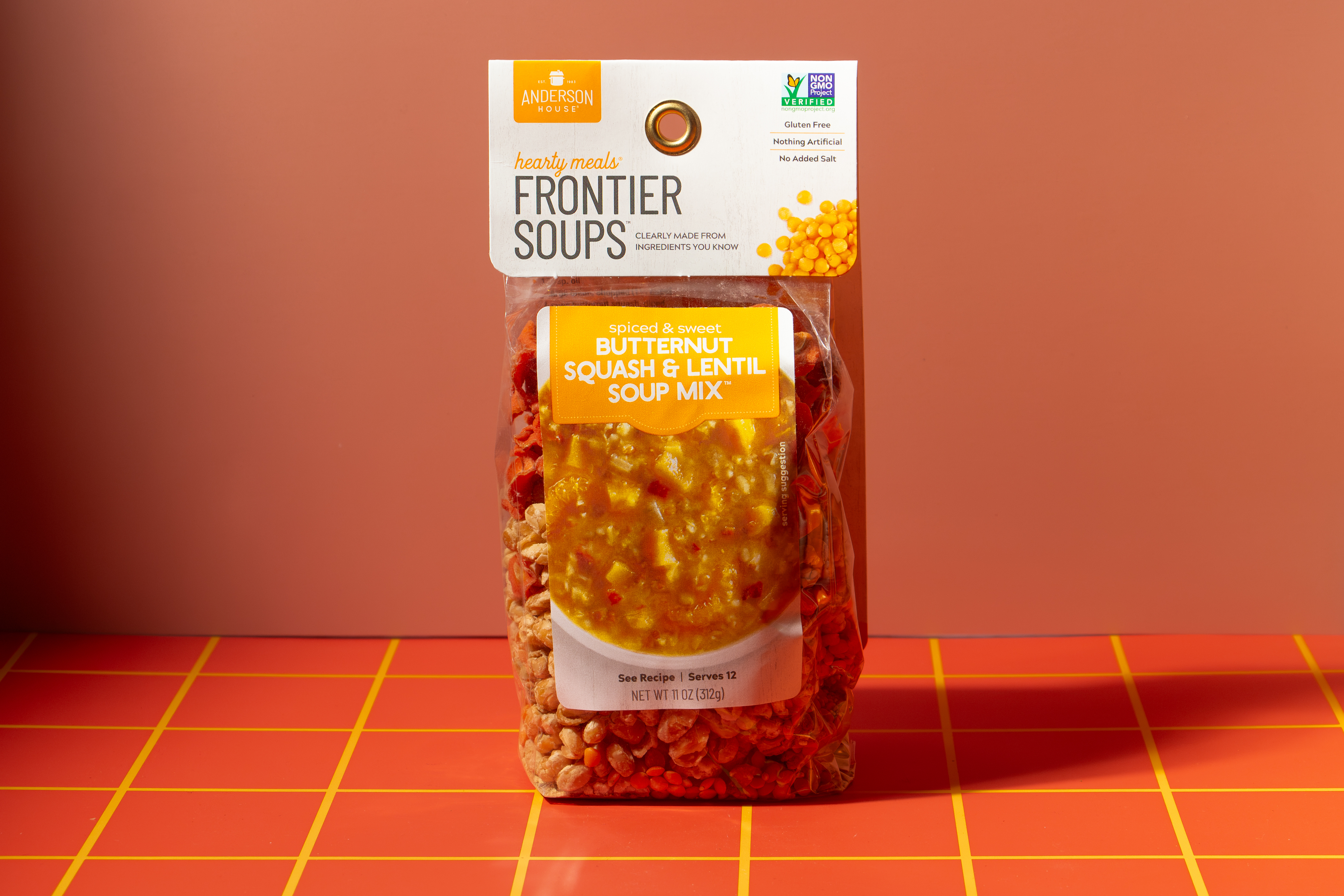
Spiced & Sweet Butternut Squash & Lentil Soup
Infused with cardamom, ginger, and a hint of cayenne, this butternut squash and lentil soup is packed with quintessential fall flavors and warmth.
Protein notes: To boost the protein content of this soup, prepare Spiced & Sweet Butternut Squash & Lentil Soup according to the directions on the soup mix packet. Allow the soup to cool slightly (so the yogurt doesn’t curdle), and stir in 2.5 cups of plain Greek yogurt. Top each two-cup serving with ¼ cup pepitas for 32g of protein per serving.
Shop Spiced & Sweet Butternut Squash & Lentil Soup → | Recipe + serving ideas →
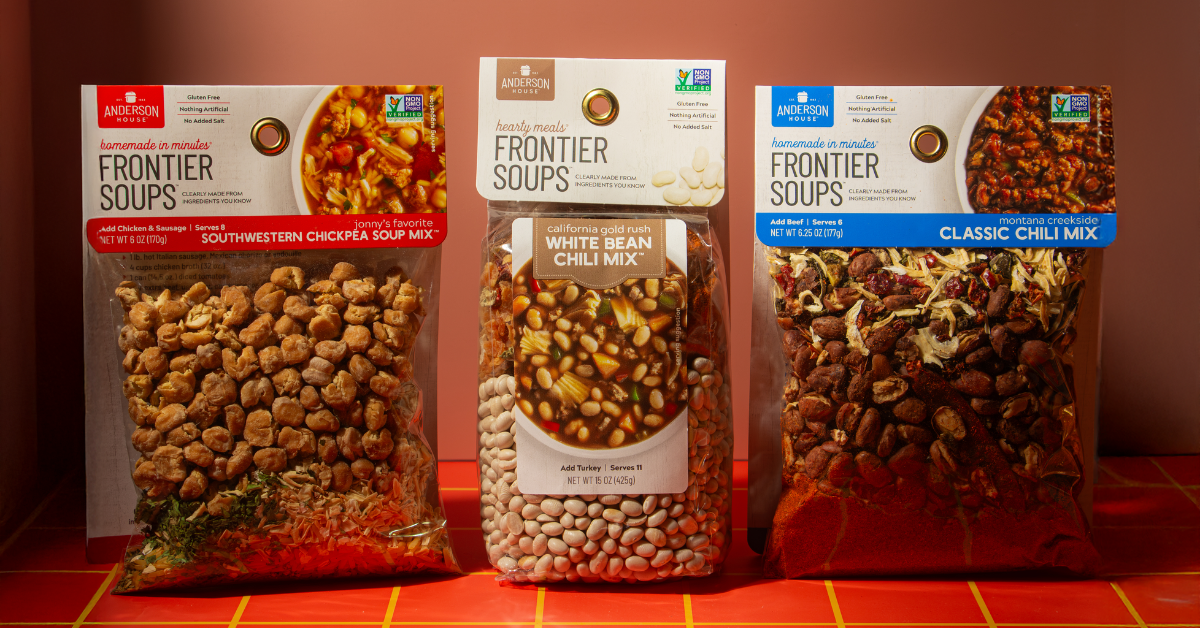
Jonny's Favorite Southwestern Chickpea Soup
Jonny's Favorite Southwestern Chickpea Soup is far from your average chickpea soup. Saffron rice, golden turmeric, and spicy chorizo or andouille turn humble chickpeas into a bold, paella-inspired bowl, that keeps you full for hours.
Protein notes: Follow the directions on the Jonny's Favorite Southwestern Chickpea Soup mix packet. Each two-cup serving provides 40g of protein without additional tweaks.
Shop Jonny's Favorite Southwestern Chickpea Soup → | Recipe + serving ideas →
California Gold Rush White Bean Chili
With a combination of creamy navy beans, sweet potato, and tender artichoke hearts, California Gold Rush White Bean Chili offers a Californian-inspired take on chili.
Protein notes: Make the California Gold Rush White Bean Chili according to the directions on the packet. Each two-cup serving provides 32g of protein.
Shop California Gold Rush White Bean Chili → | Recipe + serving ideas →
Montana Creekside Classic Chili
Packed with pinto beans, ancho chile, and a pound and a half of ground chuck, Montana Creekside Classic Chili is perfect for gameday or when you want something filling and warm.
Protein notes: Prepare the Montana Creekside Classic Chili according to the directions on the soup mix packet. With 78g of protein per two cups, this classic chili recipe offers a generous amount of protein.
Shop Montana Creekside Classic Chili → | Recipe + serving ideas →
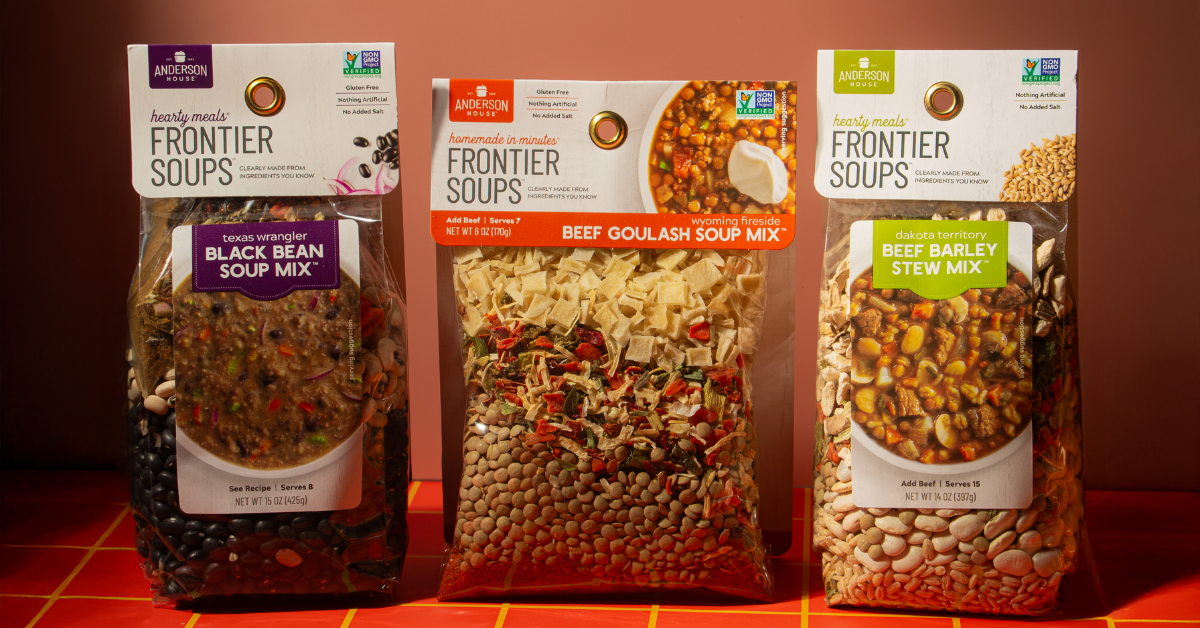
Texas Wrangler Black Bean Soup
Laced with orange juice, this flavorful, velvety black bean soup is rich and comforting minus the meat.
Protein notes: To increase the protein content, prepare the Texas Wrangler Black Bean Soup according to the directions on the soup mix packet. Allow the finished soup to cool slightly and mix in 2.5 cups of plain Greek yogurt for 36g of protein per two-cup serving.
Shop Texas Wrangler Black Bean Soup → | Recipe + serving ideas →
Dakota Territory Beef Barley Stew
Fall-apart beef, chewy barley, shiitake mushrooms, and a splash of sherry create a rich and comforting stew for cold nights.
Protein notes: Make the Dakota Territory Beef Barley Stew according to the directions on the packet. Each two-cup serving provides 40g of protein without additional modifications.
Shop Dakota Territory Beef Barley Stew → | Recipe + serving ideas →
Wyoming Fireside Beef Goulash
Offering a combination of ground beef, lentils, and potatoes in a paprika- and caraway-studded sauce, this Wyoming Fireside Beef Goulash delivers on both flavor and comfort.
Protein notes: Follow the instructions on the Wyoming Fireside Beef Goulash soup mix packet. With 40g of protein per two-cup serving, this soup already delivers plenty of protein without additional tweaks.
Shop Wyoming Fireside Beef Goulash → | Recipe + serving ideas →
Craving more soup ideas? Check out the full line of soup mixes here.

About the Author
Edwina Clark, MS, RD, APD (Aus)
Edwina Clark, MS, RD, APD (Aus), is a nationally recognized Registered Dietitian dually credentialed in the U.S. and Australia. She specializes in translating complex nutrition science into clear, actionable guidance and has more than a decade of experience as a nutrition consultant, spokesperson, author, and recipe developer. Edwina has worked with brands and publications including Ancient Nutrition, Pendulum, Whirlpool, SELF, Painterland Sisters, Condé Nast Traveler, Timeline Nutrition, and The Wonderful Company. She is also a regular on-air nutrition expert for Fox 5 DC and has been quoted in 130+ national media articles for top-tier outlets.
Visit Edwina's Website→References:
[1] Chen, X., Fu, Y., & Zhu, Z. (2025). Association between dietary protein intake and bone mineral density based on NHANES 2011–2018. Scientific Reports, 15(1), 8638. https://doi.org/10.1038/s41598-025-93642-w
[2] Harris, S., DePalma, J., & Barkoukis, H. (2025). Protein and aging: Practicalities and practice. Nutrients, 17(15), 2461. https://doi.org/10.3390/nu17152461
[3] Kędzia, G., Woźniak, M., Samborski, W., & Grygiel-Górniak, B. (2023). Impact of dietary protein on osteoporosis development. Nutrients, 15(21), 4581. https://doi.org/10.3390/nu15214581
[4] Kohanmoo, A., Faghih, S., & Akhlaghi, M. (2020). Effect of short- and long-term protein consumption on appetite and appetite-regulating gastrointestinal hormones, a systematic review and meta-analysis of randomized controlled trials. Physiology & Behavior, 226, 113123. https://doi.org/10.1016/j.physbeh.2020.113123
[5] Morton, R. W., Murphy, K. T., McKellar, S. R., Schoenfeld, B. J., Henselmans, M., Helms, E., Aragon, A. A., Devries, M. C., Banfield, L., Krieger, J. W., & Phillips, S. M. (2018). A systematic review, meta-analysis and meta-regression of the effect of protein supplementation on resistance training-induced gains in muscle mass and strength in healthy adults. British Journal of Sports Medicine, 52(6), 376–384. https://doi.org/10.1136/bjsports-2017-097608
[6] Tagawa, R., Watanabe, D., Ito, K., Ueda, K., Nakayama, K., Sanbongi, C., & Miyachi, M. (2021). Dose–response relationship between protein intake and muscle mass increase: A systematic review and meta-analysis of randomized controlled trials. Nutrition Reviews, 79(1), 66–75. https://doi.org/10.1093/nutrit/nuaa104
[6] Whelehan, G., & Stephens, F. B. (2025). The role of high-protein diets in the management of glycaemic control in people with type 2 diabetes. Current Opinion in Clinical Nutrition & Metabolic Care, 28(6), 489–495. https://doi.org/10.1097/MCO.0000000000001161