A Guide to Boiling and Simmering: What Every Home Cook Should Know About These Foundational Techniques
Posted by Eunice Juanzo on May 23rd 2023
Updated July 15, 2026
Whether you're making a pot of soup, cooking pasta, or preparing a homemade sauce, understanding the difference between boiling and simmering is one of the easiest ways to become a better home cook.
Although these cooking methods both involve hot liquid, they're not interchangeable. Using the wrong one can leave vegetables mushy, meat tough, or soup cloudy instead of rich and flavorful.
The good news? Once you know what to look for, it's easy to tell when your pot has reached the perfect simmer.
What Is Simmering?
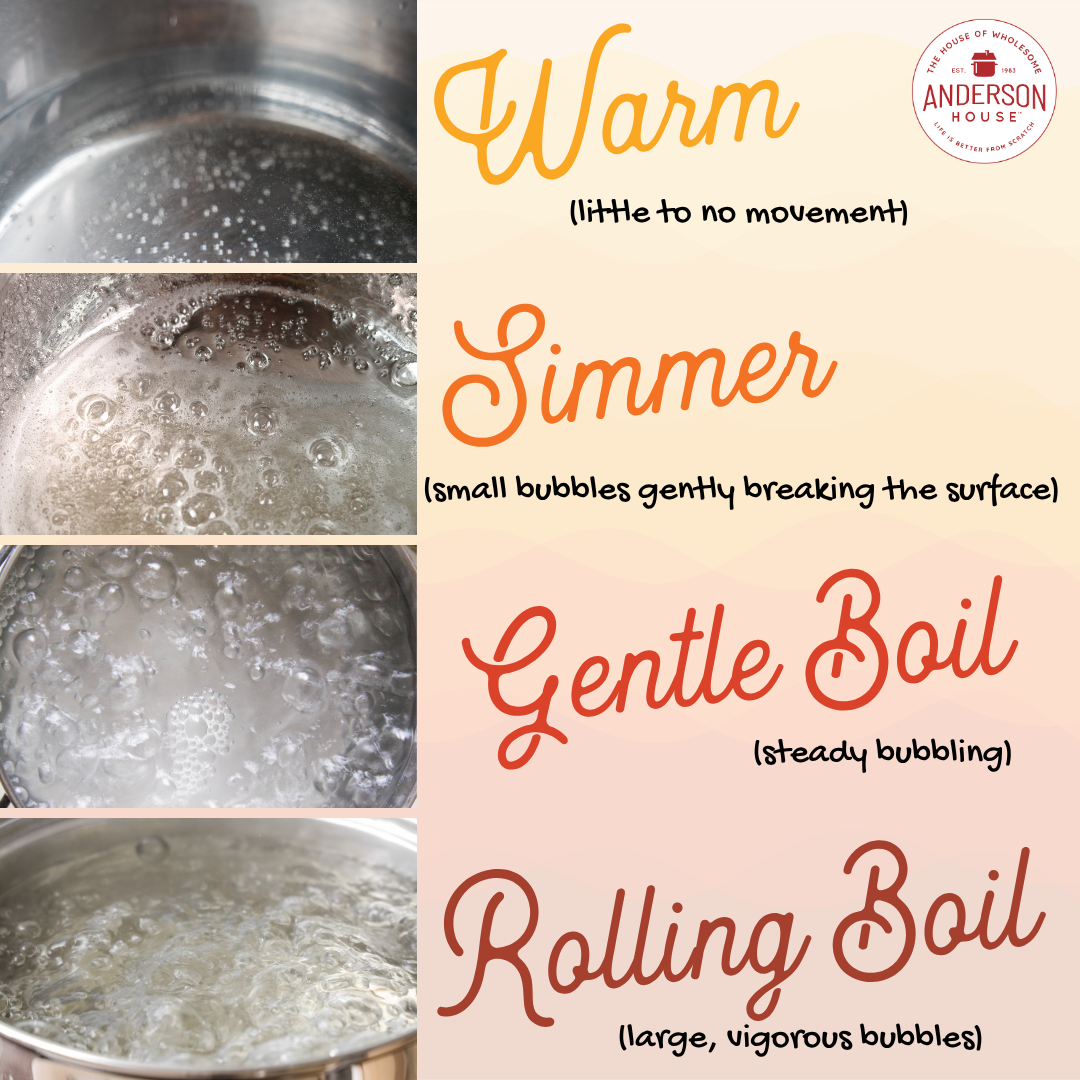
Simmering is a gentle cooking method that keeps food cooking just below a full boil. Instead of large, rolling bubbles, you'll see small bubbles slowly rising to the surface with gentle movement throughout the pot.
A simmer is ideal when you want ingredients to cook slowly while developing flavor. It's the preferred method for soups, stews, chili, sauces, braised meats, and homemade broths because it allows flavors to blend without overcooking delicate ingredients.
Unlike boiling, simmering gives your food time to become tender while preserving texture.
Quick Tip: If your soup is bubbling vigorously, it's boiling, not simmering.
What Temperature Is a Simmer?
One of the most common questions home cooks ask is:
What temperature is a simmer?
A simmer generally occurs between 185°F and 205°F (85°C to 96°C).
On most home stoves, that's usually somewhere between low and medium-low heat, although every stove is slightly different.
Instead of watching the temperature, it's often easier to watch the bubbles.
Simmer vs. Boil: What's the Difference?
Both cooking methods have their place, but they produce very different results.
| Simmer | Boil |
|---|---|
| Temperature: 185-205°F | Temperature: 212°F (100°C) |
| Small, gentle bubbles | Large rolling bubbles |
| Medium-low heat | Medium-high to high heat |
| Best for soups, stews, sauces, chili | Best for pasta, potatoes, blanching vegetables |
| Develops flavor slowly | Cooks food quickly |
Boiling is perfect when you need speed.
Simmering is better when you want flavor.
That's why nearly every great soup recipe eventually tells you to reduce the heat and simmer.
What Does a Simmer Look Like?
Many home cooks worry they're simmering incorrectly.
Fortunately, it's easy to recognize.
A proper simmer should have:
- Small bubbles occasionally reaching the surface
- Gentle movement throughout the liquid
- Light steam
- No violent splashing
If bubbles are constantly breaking across the entire surface, you've reached a boil.

How to Simmer Soup
Once your ingredients have been added to the pot, follow these simple steps:
- Bring the soup to a boil.
- Reduce the heat to low or medium-low.
- Wait until only small bubbles remain.
- Cover the pot partially with a lid.
- Stir occasionally while allowing flavors to develop.
Most Frontier Soups recipes are designed to finish with a gentle simmer, allowing the dried vegetables, beans, herbs, and seasonings to fully hydrate and develop rich homemade flavor.
Why Simmering Makes Better Soup
If you've ever wondered why homemade soup tastes even better the next day, simmering plays a big role.
A gentle simmer helps:
- Blend herbs and spices into the broth
- Tenderize beans and meats
- Preserve the texture of vegetables
- Create a richer, more flavorful broth
- Prevent ingredients from breaking apart
Patience really is one of the secret ingredients in great soup.
Common Simmering Mistakes
Even experienced cooks occasionally make these mistakes.
Cooking at a Full Boil
Boiling soup throughout the entire cooking process can make vegetables mushy and proteins tougher than necessary.
Turning the Heat Too Low
A simmer should still have movement. If nothing is happening in the pot, your food may simply be warming instead of cooking.
Forgetting to Stir
Beans, grains, and thicker soups can settle on the bottom of the pot. Stirring occasionally helps prevent sticking.
Covering the Pot Completely
Leaving the lid slightly ajar allows some moisture to escape while still retaining enough heat for even cooking.
Featured Frontier Soups That Shine with a Gentle Simmer
Mississippi Delta Tomato Basil Soup
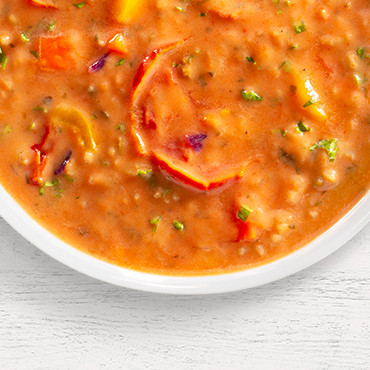
Inspired by the comforting Southern tradition of home-cooked tomato soup, this upgraded version has more depth, more warmth, and more reasons to fall in love. It’s everything you crave in a tomato basil soup—rich, creamy, and soul-satisfying—with just the right touch of sweetness.
Shop This Soup →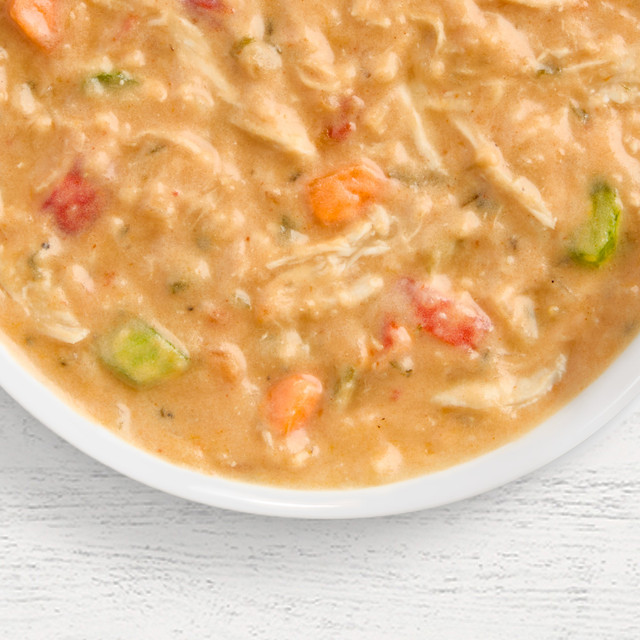
North Country Cabin Buffalo Chicken Soup
Crafted with a creamy potato base, this new recipe is packed with classic buffalo-wing veggies like carrots, celery, and onion, plus a warm blend of herbs and spices. The best part? You’re in control of the heat—just add your favorite hot sauce (we love Frank’s RedHot), and stir in cream cheese for an extra-luxurious finish.
Shop This Soup →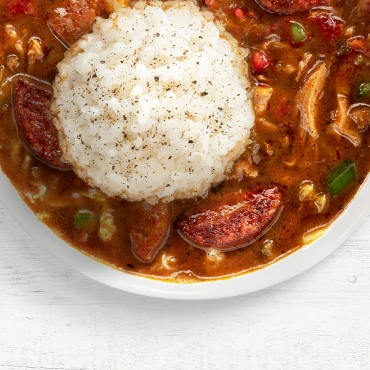
Louisiana Backyard Cajun Gumbo
At the heart of this gumbo is a deep, dark roux, blended with the classic “holy trinity” of Cajun cooking: onions, bell peppers, and celery. With every bite, you’ll taste the layers of bold, rustic flavor that define true Southern comfort food.
Shop This Soup →Frequently Asked Questions
Can soup simmer too long?
Yes. While simmering is gentle, cooking for excessive periods can eventually cause vegetables to become soft and meats to lose texture. Follow your recipe's recommended cooking time.
Should soup boil or simmer?
After bringing soup to a boil, reduce the heat and let it simmer for the remainder of the cooking time. This develops better flavor and texture.
Should I cover soup while simmering?
Most soups benefit from a partially covered pot. This helps retain moisture while allowing excess liquid to evaporate slowly.
Can I simmer without a thermometer?
Absolutely. Most home cooks judge a simmer by the appearance of the bubbles rather than the exact temperature.
Final Thoughts
Learning the difference between boiling and simmering is one of the simplest ways to improve your cooking. While boiling is great for foods that need fast, high heat, simmering is the key to creating soups, stews, sauces, and broths with rich, developed flavor.
The next time you're making a pot of Frontier Soup, take a moment to watch the bubbles. A gentle simmer may seem like a small detail, but it's one of the secrets behind a comforting bowl that tastes like it's been cooking in Grandma's kitchen all afternoon.